
Should You Keep Your Totaled Car? What to Know First
Published on 11/5/2026
Should You Keep Your Totaled Car? What to Know First
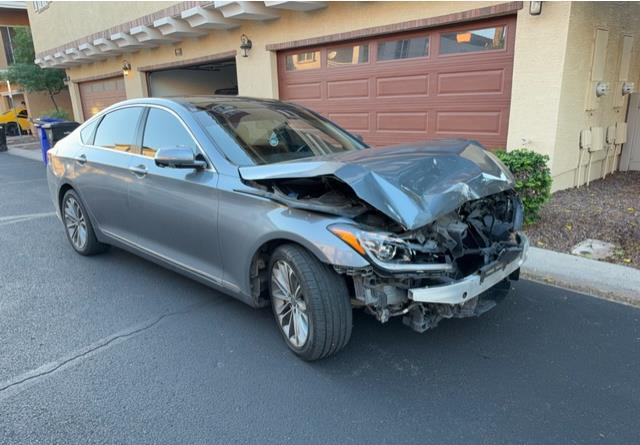
The adjuster calls back. Your car is a total loss. Then comes a question most people never expect: “Do you want to keep the car?”
It sounds like a bonus. You get a check, and you keep the car. But keeping a totaled car is a trade, not a gift. In more than 30 years in the car business, I have watched plenty of owners say yes in the moment and regret it a month later. Here is how it works and how to decide with a clear head.
What “Keeping Your Totaled Car” Actually Means
When an insurer totals a car, it normally pays you the car’s actual cash value, minus your deductible, and takes the car. The insurer then sells the wreck to recover some of its money.
If you keep the car instead, this is often called owner-retained salvage. The insurer still pays you, but it subtracts what it thinks the wrecked car is worth. That number is the salvage value.
So the math looks like this:
- Actual cash value of the car before the accident
- Minus your deductible
- Minus the salvage value the insurer assigned
- Equals your payout if you keep the car
The key detail: the insurer picks the salvage value. You did not negotiate it. If that number is higher than anyone will actually pay you for the wrecked car, you have quietly absorbed the difference.
The Hidden Costs of Keeping It
A branded title
In many states, a car the insurer totals gets a salvage title or a similar brand. A salvage car usually cannot be registered or driven until it is repaired and passes a state inspection. Even after that, the title may carry a “rebuilt” brand for life, which lowers resale value. Check your state’s motor vehicle agency for the exact rules.
Repair costs that rarely add up
The insurer totaled the car because repairs cost more than the car was worth, or came close. Shops often find more damage once the panels come off. If you plan to fix it yourself, get a real repair estimate before you agree to keep it.
Insurance after the repair
Some insurers limit coverage on a rebuilt car. Others will only offer liability. Check your policy, or call your agent, before you count on driving it again.
Storage fees while you decide
If the car sits at a tow yard, the daily charges keep climbing. Once you choose to keep the car, those fees may become your problem. Our guide to storage fees at the tow yard explains how to stop them.
When Keeping It Can Make Sense
Keeping the car is not always a mistake. It can work when:
- The damage is mostly cosmetic and the car still runs and drives safely.
- You have a trusted mechanic and a written repair estimate well below the salvage deduction.
- You plan to drive it for years and do not care about resale value.
- The car has value to you that a check cannot replace.
If none of these fit, letting the insurer take the car, or selling it as-is yourself, is usually the cleaner path.
A 5-Step Checklist Before You Say Yes
- Ask for the numbers in writing. Get the actual cash value, the deductible, and the salvage value the insurer assigned.
- Ask about the deadline. Insurers often want your answer within a set time. Know the date so you are not rushed.
- Get a real as-is offer for the wrecked car. This is the most important step. A written offer shows what the car is actually worth in its current condition. Compare it to the salvage value the insurer plans to subtract.
- Get a repair estimate if you plan to fix it. Add the repair cost, the inspection, and any title fees.
- Compare the two paths side by side. Path A: full payout, no car. Path B: smaller payout, plus a car you can sell or repair. Pick the one that puts more money in your pocket with less hassle.
Want help weighing offers? Read how to compare offers the smart way.
Don’t Let the First Low Number Decide for You
Here is where people lose money. They keep the car, then call the nearest junkyard, and hear a scrap price based on weight. That price often comes in well under the salvage value the insurer already subtracted. Now they are behind on both ends.
A wrecked car with a good engine, transmission, glass, and interior is usually worth more than scrap. A direct buyer that specializes in damaged cars prices the whole car, not just the metal. Get that number before you decide, not after.
Frequently Asked Questions
Can I keep my car if it was totaled?
In many states, yes. Your insurer will usually subtract the salvage value from your payout. Some states or insurers limit this for certain cars, so ask your adjuster and check your policy.
Can I sell a car with a salvage title?
Yes. Many buyers, including TrackWala, buy salvage title cars as-is. Tell any buyer about the title brand up front so the offer holds.
What if I still owe money on the car?
The lender usually gets paid first from the insurance check. Keeping the car may require extra steps with your lender. Call them before you agree to anything.
Get Your Number Before You Decide
The smartest move is simple. Before you tell the adjuster yes or no, find out what your wrecked car is really worth. Get a free offer at trackwala.com and compare it to the salvage value your insurer assigned. A TrackWala offer is in writing and valid for 14 days, so you have time to review it without pressure. Don’t drive it? Sell it!
This article is general education, not legal or insurance advice. Insurance and title rules vary by state and by policy.
Have a semi, box truck, or other heavy truck that’s done working? Get an offer on our truck page: https://arizonawreckedcars.com/sell-heavy-truck/