
How to Sell a Non-Running Car That’s Been Sitting for Months
Published on 5/17/2026
If your car has been sitting for months and no longer starts, it is easy to assume you need to repair it before you can sell it. In many cases, that is not true. Owners of older, damaged, high-mileage, or non-working vehicles often get stuck because they are unsure what condition details matter, what paperwork is required, or how pickup will work if the car will not move. The good news is that to sell a non running car, you usually do not need a full diagnosis or expensive repairs. What matters most is understanding the vehicle’s current condition, gathering the right documents, and preparing it for a smooth handoff.
Recently Purchased
Check the condition honestly before you sell
When a car has been sitting for months, it can develop issues even if it was running before it was parked. According to J.D. Power’s guidance on long-term vehicle storage, inactive vehicles may experience battery drain, fluid problems, rust, corrosion, and rodent damage. A weak or dead battery is especially common, and AAA notes that inactivity can contribute to battery discharge. Tires may also lose pressure or develop damage over time, and NHTSA emphasizes the importance of tire condition and inflation before moving any vehicle.
If you are wondering how to sell a car that does not run, the first step is not guessing at repairs. Instead, make a simple condition checklist based on what you can actually observe:
- Does the car start, crank, or stay completely silent?
- When did it last run?
- Has it been sitting indoors or outdoors?
- Do the tires hold enough air for the car to roll?
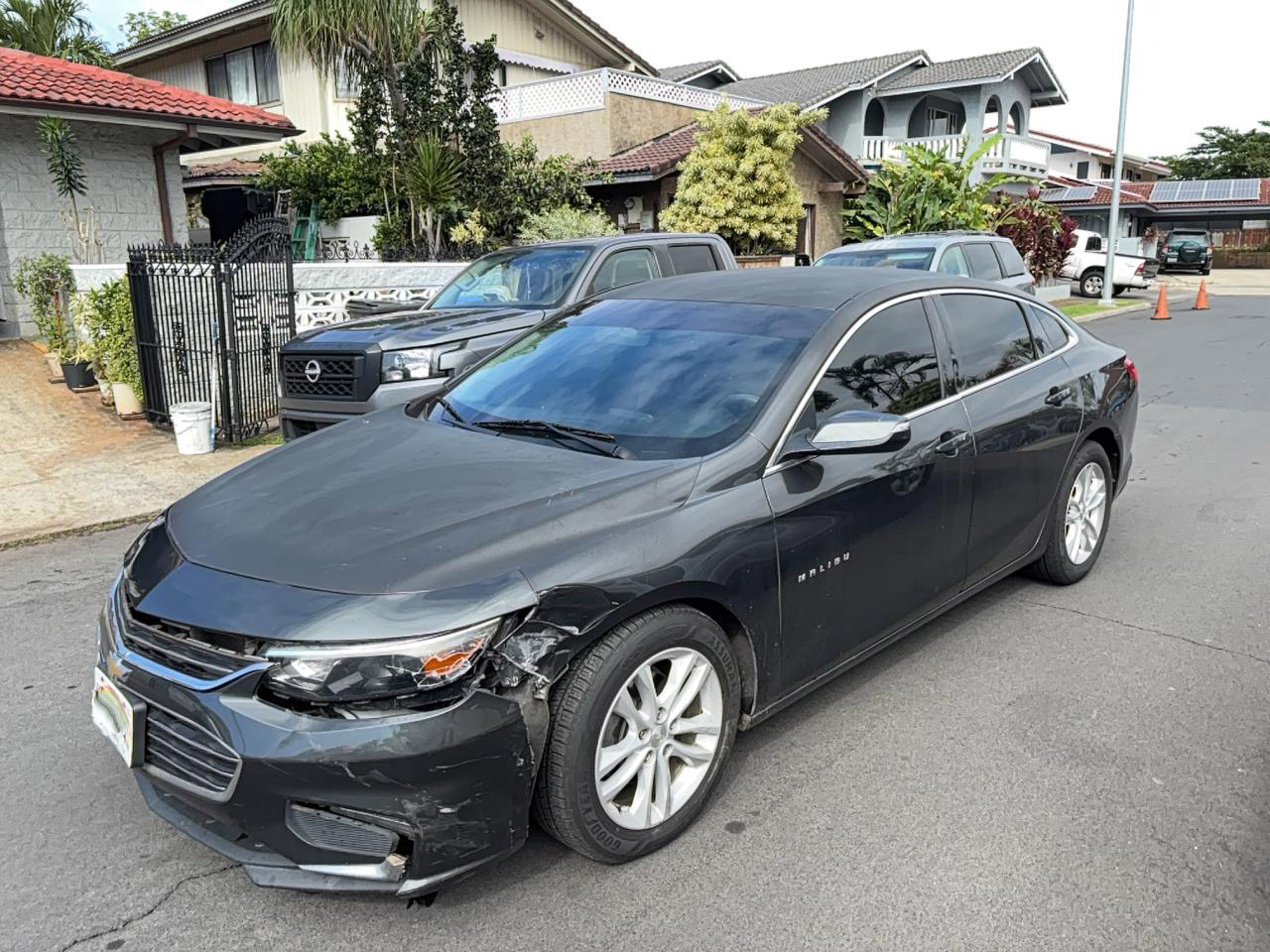
- Are there visible leaks, body damage, or missing parts?
- Are there signs of mold, pests, or chewed wiring?
That kind of honest summary is usually more useful than spending money on uncertain fixes. If there are obvious hazards such as fuel leaks, severe corrosion, or rodent damage, it may be better not to force a start. For a buyer, accurate information helps set expectations and makes pickup planning much easier.
Gather the title and other key paperwork
Paperwork is often a bigger obstacle than the mechanical condition itself. In most cases, the title is the most important document in the sale. State DMV rules vary, but ownership transfer generally depends on a properly signed title. For example, the California DMV’s transfer requirements show how central the title is, along with any needed signatures and lien release information.
If you want to sell a non running car, start by locating these items:
Vehicle title
- VIN
- Keys, if available
- Registration documents, if available
- Photo ID
- Lien release or payoff details, if applicable
- Odometer reading, if readable
A non-running vehicle does not always need current registration to be sold, but state rules can affect the process. The California DMV’s transfer-only guidance shows that non-operational status and registration status are not always the same thing. That is why it is smart to check your own state DMV requirements for title transfer, plate handling, and any notice-of-sale obligations.
If the title is missing, begin the replacement process as early as possible. That step can take time and may delay the sale more than the vehicle’s condition. A little paperwork preparation up front can save days of back-and-forth later.
Prepare the vehicle for pickup, not for the road
Many owners assume they need to clean, repair, or tow the car themselves before selling. In reality, if your car has been sitting for months, the more important goal is making it ready for pickup rather than making it drivable. Start by removing personal belongings from the cabin, trunk, glove box, and center console. That includes registration cards, insurance papers, toll tags, garage door openers, electronics, medications, and anything else you do not want left behind.
It also helps to take a few clear photos before the sale. Useful pictures include the front, rear, both sides, interior, odometer, VIN plate, tires, and any major damage. Photos can support a more accurate offer and create a clear record of the vehicle’s visible condition.
For a non-running vehicle, access is critical. Before pickup, check:
- Whether the car can roll
- Whether the tires are flat
- Whether the steering is locked
- Whether the parking brake is stuck
- Whether other vehicles block access
- Whether a tow truck or rollback can reach the location
You usually do not need to detail the car or invest in repairs just to sell it as-is. Basic cleanup and accurate information are often enough. Keep insurance active until the sale is complete and ownership has officially transferred. Afterward, check your state DMV rules for any release-of-liability or notice-of-sale steps that may apply.
Make the process easier with Trackwala
If you need to sell a non running car and do not want to spend more money trying to revive it, Trackwala helps simplify the process. Instead of requiring you to make the vehicle road-ready, Trackwala focuses on the details that matter most: the condition of the car, the ownership documents, and the pickup logistics. That is especially helpful when a car has been sitting for months and may have battery, tire, brake, or access issues.
Trackwala buys vehicles in any condition and is built for owners who want a faster, lower-hassle way to move on from a hard-to-sell vehicle. You can start by sharing the basic information you know, request an offer through Trackwala, and avoid the stress of figuring out every mechanical unknown first. With free pickup, a simple process, and fast payment, Trackwala gives sellers a practical path forward when a non-running car is taking up space and no longer worth holding onto.