
Car Totaled But Still Drivable? Your Options Explained
Published on 11/13/2026
Car Totaled But Still Drivable? Your Options Explained
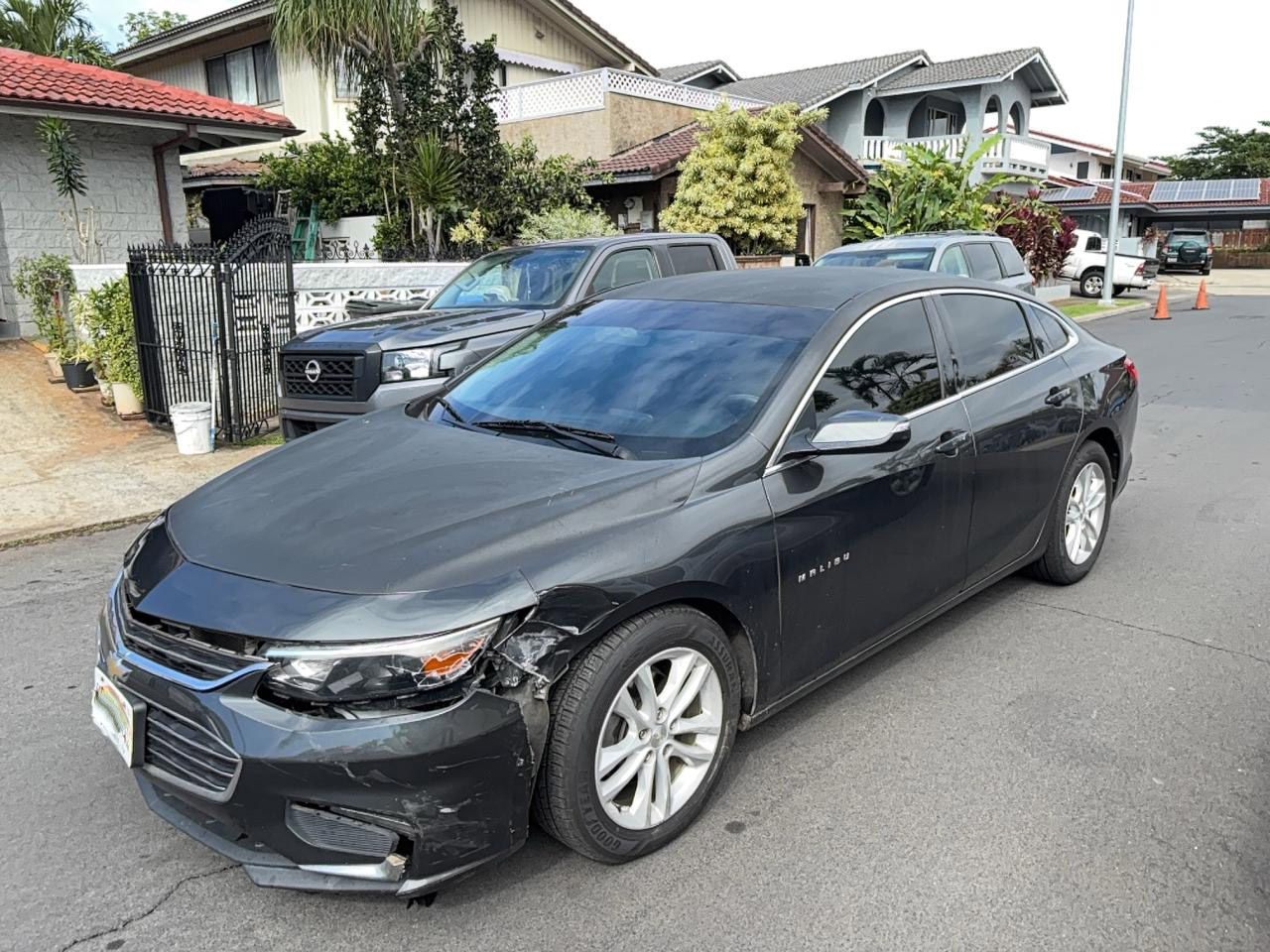
The adjuster calls with the news. Your car is a total loss. Then you look out the window and there it sits. A crumpled fender, a cracked headlight, but it started this morning and got you to work. So how can it be “totaled”?
You are not the only one asking. According to CCC Intelligent Solutions’ Crash Course 2026 report, the share of insurance claims flagged as a total loss reached 23.1% in 2025, a record high. More drivers than ever are getting that call about a car that still runs fine.
After more than 30 years in the car business, here is how I would think it through before you sign anything.
Why a Car That Runs Can Still Be Totaled
“Totaled” is a money decision, not a driving test. Your insurance company compares what the repairs would cost with the car’s actual cash value, or ACV. That is roughly what your car was worth the moment before the accident.
In many states, a car is declared a total loss once repair costs pass a set percentage of its value. Other states use a formula that also factors in what the damaged car could sell for. Either way, on an older car with a modest value, a bumper, a headlight, a couple of airbags and some sensors can add up fast. The car can be perfectly drivable and still cross the line.
Your Three Main Options
Option 1: Let the insurance company take it
This is the simplest path. You sign the title over, the insurer pays you the ACV minus your deductible, and the car gets towed away. If you still have a loan, the insurer usually pays the lender first and you receive whatever is left.
Option 2: Keep the car
In many states, you can choose to keep a totaled car. This is often called owner-retained salvage. The insurer still pays you, but it subtracts the salvage value, which is what it expects the damaged car would bring if it sold it. So your check is smaller, and you keep the car.
Here is the catch. A kept total loss is usually retitled as salvage. In many states, a salvage-title car cannot legally be driven until it is repaired, inspected and retitled as rebuilt. Check your state’s rules and your policy before you plan on driving it.
Option 3: Keep it, then sell it to a direct buyer
This is the option most people never hear about. If you keep the car and a buyer will pay you more than the salvage amount the insurer deducted, the difference stays in your pocket. You are not stuck taking the insurance company’s number as the final word on what your car is worth.
How to Decide: A Quick Checklist
- Get the ACV in writing and ask which comparable vehicles the adjuster used. If the comps look off, you can ask questions.
- Ask for the exact salvage deduction if you keep the car. This is the number you will compare everything against.
- Check your state’s salvage title rules, including whether you can drive the car before it is inspected.
- Get a repair estimate if you are thinking about fixing it yourself. Be honest about hidden damage.
- Get a second offer from a direct buyer and compare it with the salvage deduction.
- Watch the clock. Insurance claims have deadlines, and if the car is sitting at a tow yard or body shop, storage fees can pile up every day.
Don’t Let It Go for a Scrap Price
If the car ends up at a junk yard, expect a price based on its weight in metal. A drivable car with fixable damage is not scrap. It still has working parts, a running engine and real resale value. That is exactly the kind of car TrackWala buys at a fair price, not a scrap-weight price.
Whatever you decide, the first number you hear is rarely the best one. Getting a second price and comparing is the single easiest way to protect yourself.
Get the Paperwork Right
Whoever buys the car will need a title in your name. If there is a loan, it must be paid off and the lien released before the car is picked up. TrackWala does not pay off loans, so sort that out with your lender or insurer first. When it is time to sign, our state-by-state title signing guides show exactly where to sign so a stray mark does not hold up your sale.
Frequently Asked Questions
Can I keep my car if insurance totals it?
In many states, yes. You tell the insurer you want to keep it, and it subtracts the salvage value from your payout. Rules and procedures vary, so check your policy and ask your adjuster how it works where you live.
Will I get less money if I keep my totaled car?
Your insurance check will be smaller because of the salvage deduction. But if you sell the car for more than that deduction, your total can come out higher than if you had let the insurer take it.
Can I sell a car with a salvage title?
Yes. Many private buyers walk away from salvage titles, but direct buyers like TrackWala buy them every day. You will still need the title itself, so keep it safe.
Before You Sign Anything, Get a Second Price
Before you agree to the insurance company’s plan, take two minutes and get a free offer at trackwala.com. Put our number next to the salvage deduction and see which path puts more money in your hand. A written TrackWala offer is good for 14 days, which gives you room to work through your claim without rushing. Don’t Drive It? Sell It!
Got a semi, box truck or other heavy truck that is done working? Get an offer on our truck page: https://arizonawreckedcars.com/sell-heavy-truck/
This article is general education, not legal or insurance advice. Insurance and title rules vary by state, so check your policy and your state’s motor vehicle agency.